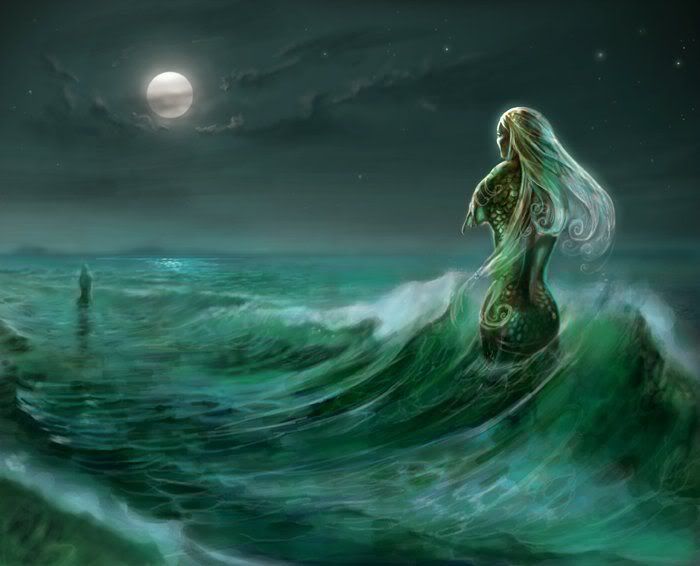
Winter solstice is coming... just thought you might be needing a little light at this dark time of year. I know I do.
I had a successful month of writing last month, and have proceeded to be laid up with back problems and now with a cold for the past 3 weeks. Sigh... I'll be back on my feet soon! And back to the keyboard, I hope.
Showing posts with label Creative. Show all posts
Friday, December 19, 2014
Wednesday, November 5, 2014
Insecure Writers Support Group: NaNoWriMo post
Hi everyone! It's that time again, time for Insecure Writers Support Group. If you don't know what IWSG is, please pop on over to this link for an explanation, and when you realize it's the one thing you've been missing in your writing life, JOIN US!!
So in case anyone is keeping score, I've started off with a bang for NaNoWriMo this year. Killing it! Woot! Of course, it's only day five. And that's why I'm so eager to crush my word count now...because I'm afraid of the slump...the point at which I lose steam, run out of ideas, and let the whole thing fall to pieces.
I'm a pantster by nature. I can't help it. I tried outlining the Camp NaNo project I worked on this summer and it jumped right off the map and made its own direction...and then it fell to pieces. Again.
All these false starts are starting to give me heartburn! I want to finish something, but I keep losing steam and moving on to the next thing, with only the barest sliver of hope that I'll ever return to revise/add to/complete a project.
This current novel has no point at all so far, other than documenting daily life of the main character. I'm waiting to see if something exciting happens, that I can then doctor up in revisions, and hoping that we make it that far.
Anyone else out there doing NaNo this time around?
Friday, October 24, 2014
Check out my editing blog too!
So, Hi readers! It's been a while, I know... I mean, since I've posted for anything besides IWSG. I am still working on inspiration here, and it's been dry recently. I apologize. I'm eternally hopeful that I will begin posting here more soon.
In the meantime, I wanted to invite you over to my editing blog at http://writingrefinery.blogspot.com. I write there almost as frequently as I do here (lol). But there I share writing tips, my experiences as an editor, and my deep and evergreen love for Harry Potter. If you think you can handle that, I'd love to see you there, too. And I could use some "followers". It feels a little lonely over there.
I'll still be writing here as regularly as ever, but I thought perhaps some of you might like to share with me over there, as well.
So stop by and say hi! I'd love to hear from you.
In the meantime, I wanted to invite you over to my editing blog at http://writingrefinery.blogspot.com. I write there almost as frequently as I do here (lol). But there I share writing tips, my experiences as an editor, and my deep and evergreen love for Harry Potter. If you think you can handle that, I'd love to see you there, too. And I could use some "followers". It feels a little lonely over there.
I'll still be writing here as regularly as ever, but I thought perhaps some of you might like to share with me over there, as well.
So stop by and say hi! I'd love to hear from you.
Labels:
autobiographical,
blogging,
blogging buddies,
challenges,
Creative,
editing,
Writing,
Writing Refinery
Wednesday, September 3, 2014
IWSG: Brainstorming my novel
It's time for Insecure Writer's Support Group, the most amazing bloghop you'll ever participate in as a writer. If you need to air your insecurities and find others who share them with you or have amazing, encouraging advice, then you NEED this group. So hop on over to Alex Cavanaugh's blog to learn more and sign up.
I got stuck. I was working on a project for Camp NaNo in July...one that I had half an outline for...and when I got through to the place where my outline ended, I sputtered to a stop. I'm usually a pantster, so this road-block was unprecedented. I spent a few bewildered days trying to get started again, worrying that I wasn't writing anything...Then I had an idea. What if I spent a few nights brainstorming my novel? So I grabbed my colored sharpies and some blank paper and started scribbling. I wrote down things I already knew, things I'd already written about, and then found a few of the things I didn't know yet. And those led to things I hadn't written yet, but that I knew I wanted to. It was a GREAT experience...and a good reminder that not all Writing is about word count.
I haven't added any more recently to my manuscript, and probably another brainstorming session is due. But I'm looking forward to that now.
Wednesday, August 6, 2014
Insecure Writer's Support Group: Spending time on something you love
It's time again! Time for Insecure Writer's Support Group, the most awesome group out there on the interwebs, if I must say. You can find the linky list to sign up for IWSG here, and if you're a writer you should DEFINITELY sign up. Giving and receiving monthly encouragement from others in the trenches of writing, creating, publishing, rejection, acceptance--the entire roller coaster that is the life of a writer--you don't want to miss out!
My insecurity this month comes from the list of "shoulds" that hovers around me whenever I sit down to do something like writing (or painting, which I also enjoy). I find myself blocking up and not being able to access my creative muse because all I can see is the pile of dishes in the sink, or the giant tumbleweeds of dust bunnies chasing my cats around the house, or the dwindling bank account sending out an S.O.S. for more freelance editing clients.
Some days it doesn't matter. Some days the muse is prodding me so hard that I have no choice but to write (or paint). And I have a few different lines I use to combat the list of "shoulds", but mostly I just want to go hide under my desk, and then I don't get ANYTHING done, not even anything from the list of "shoulds"!
What do you use to fight back and claim your writing/creative time?
My insecurity this month comes from the list of "shoulds" that hovers around me whenever I sit down to do something like writing (or painting, which I also enjoy). I find myself blocking up and not being able to access my creative muse because all I can see is the pile of dishes in the sink, or the giant tumbleweeds of dust bunnies chasing my cats around the house, or the dwindling bank account sending out an S.O.S. for more freelance editing clients.
Some days it doesn't matter. Some days the muse is prodding me so hard that I have no choice but to write (or paint). And I have a few different lines I use to combat the list of "shoulds", but mostly I just want to go hide under my desk, and then I don't get ANYTHING done, not even anything from the list of "shoulds"!
What do you use to fight back and claim your writing/creative time?
Labels:
autobiographical,
blogging,
Creative,
IWSG,
Writing
Sunday, July 6, 2014
No Day But Today
I got the creative bug this weekend...Friday morning actually.
I was listening to the Rent soundtrack...well, just one song that I owned really...it's the Finale B (lyrics below), so it's a mash-up of the best parts of the rest of the musical...and I just had to get up and paint! So I did, thinking I'd do one painting and put the lyric that inspired me in it. (Yes I paint, but I'm a writer first, so words can feature large in any form of art I do).
Well, there are no words and there are four paintings and I bought the entire soundtrack. It was a crazy, beautiful, inspired morning.
I was listening to the Rent soundtrack...well, just one song that I owned really...it's the Finale B (lyrics below), so it's a mash-up of the best parts of the rest of the musical...and I just had to get up and paint! So I did, thinking I'd do one painting and put the lyric that inspired me in it. (Yes I paint, but I'm a writer first, so words can feature large in any form of art I do).
Well, there are no words and there are four paintings and I bought the entire soundtrack. It was a crazy, beautiful, inspired morning.
Lyrics:
There is no future
There is no past
Thank God this
Moment's not the last
There's only us
There's only this
Forget, regret or
Life is yours to miss
No other road, no other way
No day but today
I can't control
(Will I lose my dignity)
My destiny
(Will someone care)
I trust my soul
(Will I wake tomorrow)
My only goal
(From this nightmare)
There's only now
There's only here
Give in to love
Or live in fear
No other path, no other way
'Cause I die without you
I die without you
(No day but today)
I die without you
(No day but today)
I die without you
(No day but today)
I die without you
(No day but today)
I die without you
(No day but today)
No day but today
Labels:
autobiographical,
Creative,
inspiration,
lyrics,
music,
musicals,
RENT,
soundtrack to life,
summer,
theme song
Wednesday, June 4, 2014
Insecure Writer's Support Group: Only you can know
Hi! It's time for the Insecure Writer's Support Group, created by Alex Cavanaugh. Seems to be the only blog post I can be reliably certain of writing. Well, that's ok. If you're an insecure writer, like me, and you're dying to find a group that will boost your spirits, this is your lucky day! Hop on over to Alex's blog and sign up, then start posting! We're happy to include you.
Feedback. Reassurance. That's what this group is all about.
Positive feedback is awesome. So is the reassurance that you're good at this... that someone wants to hear your story. That someone else cares the way you do about your characters.
But a lot of times you don't get that kind of encouragement until you're near the end of the project. So what do you do while you're in the middle? In the throes of stress and anxiety, wondering whether you're just a hack who can't even cobble together a basic paragraph...?
Me, I do a lot of avoiding, of hiding from my work and finding anything else to do to make me feel successful, confident, better about myself. On the one hand, that works, because I don't have to feel those horrible crushing feelings that the fear of failure causes in me. But on the other hand... there's still this novel sitting there... waiting to be written. Waiting for me to return to it.
At some point you have to make a decision. You can do this. It's your story. You have to tell it. Is it worth it in the end to go through the pain of self-doubt, to struggle with the fear of inadequacy? Only you can know. Only you can say. Your characters, your story... it's yours. And even if you find that the feedback is less than positive and the reassurance is thin at best, you're the only one who can tell it.
Feedback. Reassurance. That's what this group is all about.
Positive feedback is awesome. So is the reassurance that you're good at this... that someone wants to hear your story. That someone else cares the way you do about your characters.
But a lot of times you don't get that kind of encouragement until you're near the end of the project. So what do you do while you're in the middle? In the throes of stress and anxiety, wondering whether you're just a hack who can't even cobble together a basic paragraph...?
Me, I do a lot of avoiding, of hiding from my work and finding anything else to do to make me feel successful, confident, better about myself. On the one hand, that works, because I don't have to feel those horrible crushing feelings that the fear of failure causes in me. But on the other hand... there's still this novel sitting there... waiting to be written. Waiting for me to return to it.
At some point you have to make a decision. You can do this. It's your story. You have to tell it. Is it worth it in the end to go through the pain of self-doubt, to struggle with the fear of inadequacy? Only you can know. Only you can say. Your characters, your story... it's yours. And even if you find that the feedback is less than positive and the reassurance is thin at best, you're the only one who can tell it.
Labels:
autobiographical,
blogging,
books,
challenges,
Creative,
Die Vampire Die!,
hard life lessons,
IWSG,
Writing
Wednesday, December 4, 2013
Insecure Writers' Support Group
It's that time again! It's the first Wednesday in March. That means it's time for Insecure Writer's Support Group, hosted by Alex Cavanaugh. Anyone can join, so hop on over to the IWSG page for more information and sign up!
So "the best laid plans of mice and men often go awry," said Robert Burns. I had lofty schemes of finishing a NaNo novel this year, and after the first week I dropped the ball. Well, but that's not exactly true... it's just that a daily word count became less important than some of the other things that November threw at me.
I always feel guilty for setting my writing aside, but then I try to remind myself that a well balanced life is my goal. Because, in all honesty, it is. I want to enjoy my life and feel like the things I pursue are enhancing it, instead of eroding it. Do any of you find that problem with balance?
On that note, I'm off for pastry and time with some out-of-town friends.
So "the best laid plans of mice and men often go awry," said Robert Burns. I had lofty schemes of finishing a NaNo novel this year, and after the first week I dropped the ball. Well, but that's not exactly true... it's just that a daily word count became less important than some of the other things that November threw at me.
I always feel guilty for setting my writing aside, but then I try to remind myself that a well balanced life is my goal. Because, in all honesty, it is. I want to enjoy my life and feel like the things I pursue are enhancing it, instead of eroding it. Do any of you find that problem with balance?
On that note, I'm off for pastry and time with some out-of-town friends.
Sunday, October 20, 2013
Jump in with both feet
I've been waffling for weeks now. I know NaNoWriMo is coming up November 1st. I know it... and yet, when people started talking about plotting and planning and getting involved this year, I hesitated.
Mostly I think I hesitated because I was scared. NaNo is a big commitment! It's one of those things that you can go to as lightly or as seriously as you want and it'll have the same effect on your life... total madness for 30 days!
Thing is... I have a good story this year. I have a couple of compelling characters and an interesting plot... already... that I've been "meaning to work on" since we moved and I haven't yet. Maybe the madness of NaNo is just what I need to get them out of my head and onto (virtual) paper?
So... here I go!
What about you? Are you NaNoing this year? Look me up on the NaNo site: fairbetty. I'd love to have more writing buddies in all this madness!
Mostly I think I hesitated because I was scared. NaNo is a big commitment! It's one of those things that you can go to as lightly or as seriously as you want and it'll have the same effect on your life... total madness for 30 days!
Thing is... I have a good story this year. I have a couple of compelling characters and an interesting plot... already... that I've been "meaning to work on" since we moved and I haven't yet. Maybe the madness of NaNo is just what I need to get them out of my head and onto (virtual) paper?
So... here I go!
What about you? Are you NaNoing this year? Look me up on the NaNo site: fairbetty. I'd love to have more writing buddies in all this madness!
Labels:
autobiographical,
Creative,
I must be nuts,
NaNoWriMo,
take the leap,
Writing
Tuesday, August 6, 2013
IWSG: Taking the leap
Hey!!! It's the first Wednesday of the month and I'm actually prepared enough to offer up my piece of the Insecure Writer's Support Group today. Woohoo! Thanks to the amazing Alex Cavanaugh for launching this group that has been such a great... well... support to writers like me who need to be able to talk about our fears and know that someone out there hears us and that maybe they know what we're going through, too. You should really join us. You'll never regret it.
What I want to talk about today isn't necessarily something that's strictly related to writing... but it's something that I'm going through right now and I needed to share.
If you didn't know yet, my husband's job is being outsourced at the end of this month. That's a good thing, believe it or not. N has been struggling with stress and frustration over his career for years now, and most acutely in the past three years. It's time for a change, time for us both to leap out into the great unknown and let our dreams of what we've always wanted to do take flight.
We've known this change was coming for months now, so we've had time to strategize and prepare. That doesn't mean we're ready, though. As the moment of truth draws nearer, we lean forward and look over the edge of the Cliff of Doing What You Dream. That's a pretty steep drop! Our hearts flutter a little more anxiously with each passing day. Soon, we're going to be faced with the decision. Do we really jump and risk the possibility of failure (or wild success)? Or do we do the safe thing and go back to occupations that we hate, but that we know will meet our budget each month?
The best thing, and an important piece for those who wish to experiment with flying, is that we are moving back to California, to a place where we have a support network, people to encourage us along the way. Talking through your fears and frustrations makes them easier to overcome. It's one of the reasons I love the IWSG. Supporters help lessen the impact when you fail... and give you the courage you need to try again. Thanks!
I hope that we'll at least push ourselves over the edge and see what we're capable of. We have a safety net, if we need it... but we'll never know if we can fly if we don't take the leap.
What I want to talk about today isn't necessarily something that's strictly related to writing... but it's something that I'm going through right now and I needed to share.
If you didn't know yet, my husband's job is being outsourced at the end of this month. That's a good thing, believe it or not. N has been struggling with stress and frustration over his career for years now, and most acutely in the past three years. It's time for a change, time for us both to leap out into the great unknown and let our dreams of what we've always wanted to do take flight.
We've known this change was coming for months now, so we've had time to strategize and prepare. That doesn't mean we're ready, though. As the moment of truth draws nearer, we lean forward and look over the edge of the Cliff of Doing What You Dream. That's a pretty steep drop! Our hearts flutter a little more anxiously with each passing day. Soon, we're going to be faced with the decision. Do we really jump and risk the possibility of failure (or wild success)? Or do we do the safe thing and go back to occupations that we hate, but that we know will meet our budget each month?
The best thing, and an important piece for those who wish to experiment with flying, is that we are moving back to California, to a place where we have a support network, people to encourage us along the way. Talking through your fears and frustrations makes them easier to overcome. It's one of the reasons I love the IWSG. Supporters help lessen the impact when you fail... and give you the courage you need to try again. Thanks!
I hope that we'll at least push ourselves over the edge and see what we're capable of. We have a safety net, if we need it... but we'll never know if we can fly if we don't take the leap.
Labels:
autobiographical,
blogging,
Bloghop,
California,
Creative,
IWSG,
living the dream,
risk taking,
take the leap
Tuesday, May 21, 2013
Still breathing
I'm stopping by to say "Hi" and "I'm still alive." It's been a crazy month for me, and I have a lot to do moving forward. I am pondering retooling this blog... I am keeping my business going... I am moving to California at the end of the summer... and somewhere in the midst of all that I am creating... something. I hope you are all well. I'll leave you with a detail of my new painting. Love and lots of literature to you all!
Labels:
Art,
autobiographical,
blogging,
California,
Creative,
editing,
fantasy,
Writing Refinery
Wednesday, April 10, 2013
A to Z Challenge: I is for Inciting Incident
Yeah, that's right! TWO I's! There must be some sort of prize for that, right?
You hear the term Inciting Incident a lot in screenplay writing self-help articles. And it's true that the II is highly important to movies and T.V. You have to have something for people to stick around for after the commercial! (of course, not so much in this age of computers... but when I was a kid... yeah)
In writing it's just as important. Wiki Answers has a couple of great definitions for II:
The important thing about the II is that it should come along fairly early in your story line. It doesn't necessarily have to be in the first chapter or in the second, although usually SOMETHING inciting should have happened by the end of the second chapter. In HPaTSS, in the second chapter we find the prelude to the II... the incident at the zoo reveals that there really is something highly unusual about Harry, setting us up for the II actual in chapter three.
If you have too much set-up, you risk losing your reader's attention. Pushing your II up to the second or third chapter helps to tighten your plot and get your reader invested in your characters development (or survival: see Hunger Games).
What other examples of IIs can you think of in your favorite books?
You hear the term Inciting Incident a lot in screenplay writing self-help articles. And it's true that the II is highly important to movies and T.V. You have to have something for people to stick around for after the commercial! (of course, not so much in this age of computers... but when I was a kid... yeah)
In writing it's just as important. Wiki Answers has a couple of great definitions for II:
The II is what sparks the adventure! Where would Harry Potter be if he had never gotten his letter from Hogwarts? And I don't need to tell you, master storyteller J.K. Rowling didn't make that as simple as walking out to the mailbox, either. The amount of potential energy wrapped up in what it took to get that letter to Harry and for him to find out he was a wizard carried her through 7 novels and 8 movies! Oh to write a scene like that...* The conflict that begins the action of the story and causes the protagonist to act*Without this event, there would be no story. Also, it is better described as the State of Imperfection made explicit.
The important thing about the II is that it should come along fairly early in your story line. It doesn't necessarily have to be in the first chapter or in the second, although usually SOMETHING inciting should have happened by the end of the second chapter. In HPaTSS, in the second chapter we find the prelude to the II... the incident at the zoo reveals that there really is something highly unusual about Harry, setting us up for the II actual in chapter three.
If you have too much set-up, you risk losing your reader's attention. Pushing your II up to the second or third chapter helps to tighten your plot and get your reader invested in your characters development (or survival: see Hunger Games).
What other examples of IIs can you think of in your favorite books?
Labels:
A to Z Challenge,
blogging,
Bloghop,
Creative,
editing,
Fiction,
Harry Potter,
inciting incident,
J.K. Rowling,
Writing
Tuesday, April 9, 2013
A to Z Challenge: H is for Hyperbole
Hi everyone... I just wanted to say SORRY for missing the letter today. I wanted to talk about Hyperbole (the art of exaggeration), but I was washed out to sea on a wave of manuscript editing. (See what I did there?)
I'll catch up with you all tomorrow.
Thanks for your understanding!
I'll catch up with you all tomorrow.
Thanks for your understanding!
Monday, April 8, 2013
A to Z Challenge: G is for Genre
Knowing the genre you're writing is important when you're crafting your novel. Genre is more than "a term for any category of literature or other forms of art or entertainment..." Genre is your novel's home.
Once you can accurately identify the genre you're writing in, all sorts of doorways and opportunities open up... and others close. A women's fiction novel, for instance, is not likely to include flesh-eating space aliens or a guild of ninjas. But a sci-fi novel would definitely have flesh-eating space aliens... and maybe even that ninja guild, too, if they are from the planet Zarkon on the edge of Galaxy 5. Giving yourself parameters to work within helps you better deduce which of the zillion options for your story are the most compatible and which are the most likely to make sense to your readers.
A lot of writers get cagey when asked to define the genre of their novel. It's like they don't want to commit... or they think that they can reach a wider audience if they use more than one genre in their query letter or manuscript description.
This is a big no-no, though. Agents and publishers will put aside a novel that claims to cater to more than one audience because it seems to signal a lack of vision. A targeted audience and a well-defined genre are a must for query letters. If your book is as amazing as you know it is, it will shine in chosen genre and then from there other types of readers will likely pick it up.
There are SOOOOooo many genres and sub-genres to choose from, too. There's no need to feel limited by having to choose one and run with it. So as you're writing, consider your characters, consider how and where your story fits in the marketplace (HINT: this is important for self-publishers as well).
So what genre are you writing in today?
Here are a few suggestions! Can you think of more? Action and Adventure, Chick Lit, Children’s, Contemporary, Crime, Erotica, Family Saga, Fantasy, Dark Fantasy, Gay and Lesbian, General Fiction, Graphic Novels, Historical Fiction, Horror, Humour, Literary Fiction, Military and Espionage, Mystery, Picture Books, Religious and Inspirational, Romance, Science Fiction, Thrillers and Suspense, Western, Women’s Fiction, Young Adult.
Once you can accurately identify the genre you're writing in, all sorts of doorways and opportunities open up... and others close. A women's fiction novel, for instance, is not likely to include flesh-eating space aliens or a guild of ninjas. But a sci-fi novel would definitely have flesh-eating space aliens... and maybe even that ninja guild, too, if they are from the planet Zarkon on the edge of Galaxy 5. Giving yourself parameters to work within helps you better deduce which of the zillion options for your story are the most compatible and which are the most likely to make sense to your readers.
A lot of writers get cagey when asked to define the genre of their novel. It's like they don't want to commit... or they think that they can reach a wider audience if they use more than one genre in their query letter or manuscript description.
This is a big no-no, though. Agents and publishers will put aside a novel that claims to cater to more than one audience because it seems to signal a lack of vision. A targeted audience and a well-defined genre are a must for query letters. If your book is as amazing as you know it is, it will shine in chosen genre and then from there other types of readers will likely pick it up.
There are SOOOOooo many genres and sub-genres to choose from, too. There's no need to feel limited by having to choose one and run with it. So as you're writing, consider your characters, consider how and where your story fits in the marketplace (HINT: this is important for self-publishers as well).
So what genre are you writing in today?
Here are a few suggestions! Can you think of more? Action and Adventure, Chick Lit, Children’s, Contemporary, Crime, Erotica, Family Saga, Fantasy, Dark Fantasy, Gay and Lesbian, General Fiction, Graphic Novels, Historical Fiction, Horror, Humour, Literary Fiction, Military and Espionage, Mystery, Picture Books, Religious and Inspirational, Romance, Science Fiction, Thrillers and Suspense, Western, Women’s Fiction, Young Adult.
Saturday, April 6, 2013
A to Z Challenge: F is for feedback
Ok, so here's a step away from the elements of a novel. This one is more focused on the editorial process.
Feedback.
I'm talking about taking your precious work that you've been slaving over for months (years for some of us) and sharing it with people whose opinions you trust and who can give you honest, constructive criticism for how to improve upon the clarity, structure and style of your work.
I know, it's a scary prospect. I have yet to show anyone more than the smallest taste of my own manuscript because I already know what the feedback will be.
Unfortunately, the main problem I see with manuscripts in the slush pile is lack of feedback. A manuscript that has been read and vetted by trusted critique partners and/or professionally edited has a lot better chance rising above the rest of the slush. A lot of authors would save themselves a giant helping of humble pie if they would only take the time to get feedback on their work and then put that feedback to work in a revision (or 10).
What's your process like? Do you have trusted critique partners that you go to?
Feedback.
I'm talking about taking your precious work that you've been slaving over for months (years for some of us) and sharing it with people whose opinions you trust and who can give you honest, constructive criticism for how to improve upon the clarity, structure and style of your work.
I know, it's a scary prospect. I have yet to show anyone more than the smallest taste of my own manuscript because I already know what the feedback will be.
Unfortunately, the main problem I see with manuscripts in the slush pile is lack of feedback. A manuscript that has been read and vetted by trusted critique partners and/or professionally edited has a lot better chance rising above the rest of the slush. A lot of authors would save themselves a giant helping of humble pie if they would only take the time to get feedback on their work and then put that feedback to work in a revision (or 10).
What's your process like? Do you have trusted critique partners that you go to?
Friday, April 5, 2013
A to Z Challenge: E is for Entry Point
Entry point is where your story begins... When we crack the book open and read the first page, what is your character doing?
Do we begin at the beginning? "In a hole in the ground there lived a hobbit. Not a nasty, dirty, wet hole , filled with the ends of worms and an oozy smell, nor yet a dry, bare, sandy hole with nothing in it to sit down on or to eat: it was a hobbit-hole, and that means comfort." In The Hobbit, J.R.R. Tolkien begins by explaining Bilbo to the readers. It is our first encounter with a hobbit after all. Through the first chapter, as the action unfolds, Tolkien characterizes Bilbo so solidly that we end up with a vibrant picture and well-defined expectation of what Bilbo is like. And then he does something unexpected. The adventure is just about to begin... and what an adventure!
Are we in the middle of the action? "My husband’s mistress leveled the gun at me. Her perfect, blonde curls bounced as she took a firing stance in the doorway to the conference room. Our eyes met over the gun, and the alien clone holding me, hitched up my arm to use me as a shield. The clone adjusted the quiack knife against my neck to make sure I knew he meant it. My husband’s mistress, Trish, puffed her bangs out of the way and squeezed the trigger." This was the beginning of a novel written by my blogging friend, the amazing and talented Rena. I won't go into the reasons why she changed her entry point, but this, as one of her previous options, illustrates the idea of jumping RIGHT into the action. We learn a lot of details rather quickly about the characters and have immediate tension and excitement to draw us further into the story.
Does the narrative start in the past (to set the stage) and then jump to the present? The best example of this is still Harry Potter and the Sorcerer's Stone Chapter 1. Other examples frame this kind of entry point as a prologue. Example: Seraphina by Rachel Hartman, "I remember being born. In fact I remember a time before that..." Depending on the amount of back story you need to set up your reader's understanding of the current action, this can be a good idea... or it can be a bad idea. If the information in a prologue needs so very much to be part of the story, you might want to consider ... making it part of the story!
Entry points can and do change over the course of drafting and revising. Sometimes skipping the set-up and heading straight for the action is the best thing you can do to jump-start a lagging narrative. Other times the set-up, artfully done, is required to help attach your reader to the main character. How does the current entry point of your WIP set the stage for your novel?
Do we begin at the beginning? "In a hole in the ground there lived a hobbit. Not a nasty, dirty, wet hole , filled with the ends of worms and an oozy smell, nor yet a dry, bare, sandy hole with nothing in it to sit down on or to eat: it was a hobbit-hole, and that means comfort." In The Hobbit, J.R.R. Tolkien begins by explaining Bilbo to the readers. It is our first encounter with a hobbit after all. Through the first chapter, as the action unfolds, Tolkien characterizes Bilbo so solidly that we end up with a vibrant picture and well-defined expectation of what Bilbo is like. And then he does something unexpected. The adventure is just about to begin... and what an adventure!
Are we in the middle of the action? "My husband’s mistress leveled the gun at me. Her perfect, blonde curls bounced as she took a firing stance in the doorway to the conference room. Our eyes met over the gun, and the alien clone holding me, hitched up my arm to use me as a shield. The clone adjusted the quiack knife against my neck to make sure I knew he meant it. My husband’s mistress, Trish, puffed her bangs out of the way and squeezed the trigger." This was the beginning of a novel written by my blogging friend, the amazing and talented Rena. I won't go into the reasons why she changed her entry point, but this, as one of her previous options, illustrates the idea of jumping RIGHT into the action. We learn a lot of details rather quickly about the characters and have immediate tension and excitement to draw us further into the story.
Does the narrative start in the past (to set the stage) and then jump to the present? The best example of this is still Harry Potter and the Sorcerer's Stone Chapter 1. Other examples frame this kind of entry point as a prologue. Example: Seraphina by Rachel Hartman, "I remember being born. In fact I remember a time before that..." Depending on the amount of back story you need to set up your reader's understanding of the current action, this can be a good idea... or it can be a bad idea. If the information in a prologue needs so very much to be part of the story, you might want to consider ... making it part of the story!
Entry points can and do change over the course of drafting and revising. Sometimes skipping the set-up and heading straight for the action is the best thing you can do to jump-start a lagging narrative. Other times the set-up, artfully done, is required to help attach your reader to the main character. How does the current entry point of your WIP set the stage for your novel?
Labels:
A to Z Challenge,
blogging,
Bloghop,
Creative,
editing,
entry point,
fantasy,
Fiction,
Harry Potter,
J.R.R. Tolkien,
Seraphina,
Writing
Thursday, April 4, 2013
A to Z Challenge: D is for Dialogue Tags (and do-overs)
A few months ago I wrote this post about dialogue tags. Because it corresponds with the theme so well (including the obligatory Harry Potter examples), and because so many of you are new to the blog anyhow, I thought I'd re-post for your reading pleasure.
The general feeling is that if dialogue in a scene needs the tags, it's poorly written; that writers should aim for conveying emotion through the characters' words instead of spoon-feeding it to the readers in the narration. It is the mark of an insecure writer that he feels the need to give you information that should have been conveyed in the dialogue, to make sure the reader understands that his characters are emoting or what the scene is supposed to reveal. Trust the reader to figure out what the dialogue "means". And after having a couple of critique partners review it, if they point out that a run of dialogue really is too obscure, then take the time to re-write. Beats are easy to add where they are needed. It's harder to extract them, I find.
In the book "Self-editing for Fiction Writers" by Renni Browne and David King, the authors suggest:
I don't think that all beats and tags are bad. I do think a writer needs to choose her beats wisely and make the most of them. First she needs to understand the anatomy of the scene she is writing: What are the key emotions at play here? How fast is the exchange between characters supposed to feel? What else is going on in the scene? and Which actions are important to the development of the scene?
And now, because examples in real life are always fun, I'm going to borrow from J.K. Rowling to illustrate my point. What I love about Rowling is that she's not perfect. But her characters emotions are perfectly conveyed.
............................................
Excerpt from "Harry Potter and the Prisoner of Azkaban":
"I DON'T BELIEVE IT!" Hermione screamed.
Lupin let go of Black and turned to her. She raised herself off the floor and was pointing at Lupin, wild-eyed. "You-- you--"
"Hermione--"
"--you and him!"
"Hermione, calm down--"
"I didn't tell anyone!" Hermione shrieked. "I've been covering up for you--"
"Hermione, listen to me, please!" Lupin shouted. "I can explain--"
Harry could feel himself shaking, not with fear, but with a fresh wave of fury.
"I trusted you," he shouted at Lupin, his voice wavering out of control, "and all the time you've been his friend!"
"You're wrong," said Lupin. "I haven't been Sirius's friend, but I am now--Let me explain..."
"NO!" Hermione screamed. "Harry, don't trust him, he's been helping Black get into the castle, he wants you dead too--he's a werewolf!"
Excerpt from "Harry Potter and the Order of the Phoenix":
"There is no shame in what you are feeling, Harry," said Dumbledore's voice. "On the contrary... the fact that you can feel pain like this is your greatest strength."
Harry felt the white-hot anger lick his insides, blazing in the terrible emptiness, filling him with the desire to hurt Dumbledore for his calmness and his empty words.
"My greatest strength, is it?" said Harry, his voice shaking as he stared out at the Quidditch stadium, no longer seeing it. "You haven't got a clue... You don't know..."
"What don't I know?" asked Dumbledore calmly.
It was too much. Harry turned around, shaking with rage.
"I don't want to talk about how I feel, all right?"
"Harry, suffering like this proves you are still a man! This pain is part of being human--"
"THEN--I--DON'T--WANT--TO--BE--HUMAN!" Harry roared, and he seized one of the delicate silver instruments from the spindle-legged table beside him and flung it across the room. It shattered into a hundred tiny pieces against the wall. Several of the pictures let out yells of anger and fright, and the portrait of Armando Dippet said, "Really!"
"I DON'T CARE!" Harry yelled at them, snatching up a lunascope and throwing it into the fireplace. "I'VE HAD ENOUGH, I'VE SEEN ENOUGH, I WANT OUT, I WANT IT TO END, I DON'T CARE ANYMORE--"
He seized the table on which the silver instrument had stood and threw that too. It broke apart on the floor and the legs rolled in different directions.
"You do care," said Dumbledore. He had not flinched or made a single move to stop Harry demolishing his office. His expression was calm, almost detached. "You care so much you feel as though you will bleed to death with the pain of it."
......................................................
These two scenes illustrate very different emotions. Characters in both scenes do a lot of yelling, but the timing of the dialogue is the key to the emotions in each scene. In the Prisoner of Azkaban scene, the urgency of the scene is conveyed by quick back-and-forth dialogue. If you remember the same scene in the movie, there are a lot of actions that the characters take (i.e. looking to and from one another; Hermione steps in front of Harry to shield him from Sirius and Lupin; Lupin reaches out to implore Hermione to listen). None of those actions are portrayed in the dialogue, because to add them, while giving you a physically more accurate description, would take away from the momentum of the scene. The readers can just as easily imagine the action as they read the dialogue.
In the second scene, from the Order of the Phoenix, the dialogue progresses much more slowly. The emotion in this scene does not come from a rapid-fire exchange (although Harry does do a fair bit of shouting), but from Dumbledore's slow and calculated responses. The deep feelings of regret and care for Harry that Dumbledore expresses come to light through his patience in allowing Harry the space to explore his own emotions. The pace of the dialogue allows much more room for beats of character action (all taken by Harry, a detail that is also telling...). But more than that, each beat has a purpose, shows the emotion rather than telling it (more often than not).
As a writer, understanding what your characters are going through and how they would respond to one another in a scene can mean the difference between capturing the readers' hearts and getting lost in the details. The right beats in the right places give meaning to the words spoken and emotions felt by your characters, allowing the reader to peek through the windows in their souls.
The general feeling is that if dialogue in a scene needs the tags, it's poorly written; that writers should aim for conveying emotion through the characters' words instead of spoon-feeding it to the readers in the narration. It is the mark of an insecure writer that he feels the need to give you information that should have been conveyed in the dialogue, to make sure the reader understands that his characters are emoting or what the scene is supposed to reveal. Trust the reader to figure out what the dialogue "means". And after having a couple of critique partners review it, if they point out that a run of dialogue really is too obscure, then take the time to re-write. Beats are easy to add where they are needed. It's harder to extract them, I find.
In the book "Self-editing for Fiction Writers" by Renni Browne and David King, the authors suggest:
"It's best to replace only a few of your speaker attributions with beats. A beat after every line of dialogue is even more distracting than too many speaker attributions. What you want is a comfortable balance."I tend to agree with that sentiment. Too many tags or beats in a run of dialogue can throw off the momentum of the scene so much that the readers forget what the characters are talking about by the end of the page!
I don't think that all beats and tags are bad. I do think a writer needs to choose her beats wisely and make the most of them. First she needs to understand the anatomy of the scene she is writing: What are the key emotions at play here? How fast is the exchange between characters supposed to feel? What else is going on in the scene? and Which actions are important to the development of the scene?
And now, because examples in real life are always fun, I'm going to borrow from J.K. Rowling to illustrate my point. What I love about Rowling is that she's not perfect. But her characters emotions are perfectly conveyed.
............................................
Excerpt from "Harry Potter and the Prisoner of Azkaban":
"I DON'T BELIEVE IT!" Hermione screamed.
Lupin let go of Black and turned to her. She raised herself off the floor and was pointing at Lupin, wild-eyed. "You-- you--"
"Hermione--"
"--you and him!"
"Hermione, calm down--"
"I didn't tell anyone!" Hermione shrieked. "I've been covering up for you--"
"Hermione, listen to me, please!" Lupin shouted. "I can explain--"
Harry could feel himself shaking, not with fear, but with a fresh wave of fury.
"I trusted you," he shouted at Lupin, his voice wavering out of control, "and all the time you've been his friend!"
"You're wrong," said Lupin. "I haven't been Sirius's friend, but I am now--Let me explain..."
"NO!" Hermione screamed. "Harry, don't trust him, he's been helping Black get into the castle, he wants you dead too--he's a werewolf!"
Excerpt from "Harry Potter and the Order of the Phoenix":
"There is no shame in what you are feeling, Harry," said Dumbledore's voice. "On the contrary... the fact that you can feel pain like this is your greatest strength."
Harry felt the white-hot anger lick his insides, blazing in the terrible emptiness, filling him with the desire to hurt Dumbledore for his calmness and his empty words.
"My greatest strength, is it?" said Harry, his voice shaking as he stared out at the Quidditch stadium, no longer seeing it. "You haven't got a clue... You don't know..."
"What don't I know?" asked Dumbledore calmly.
It was too much. Harry turned around, shaking with rage.
"I don't want to talk about how I feel, all right?"
"Harry, suffering like this proves you are still a man! This pain is part of being human--"
"THEN--I--DON'T--WANT--TO--BE--HUMAN!" Harry roared, and he seized one of the delicate silver instruments from the spindle-legged table beside him and flung it across the room. It shattered into a hundred tiny pieces against the wall. Several of the pictures let out yells of anger and fright, and the portrait of Armando Dippet said, "Really!"
"I DON'T CARE!" Harry yelled at them, snatching up a lunascope and throwing it into the fireplace. "I'VE HAD ENOUGH, I'VE SEEN ENOUGH, I WANT OUT, I WANT IT TO END, I DON'T CARE ANYMORE--"
He seized the table on which the silver instrument had stood and threw that too. It broke apart on the floor and the legs rolled in different directions.
"You do care," said Dumbledore. He had not flinched or made a single move to stop Harry demolishing his office. His expression was calm, almost detached. "You care so much you feel as though you will bleed to death with the pain of it."
......................................................
These two scenes illustrate very different emotions. Characters in both scenes do a lot of yelling, but the timing of the dialogue is the key to the emotions in each scene. In the Prisoner of Azkaban scene, the urgency of the scene is conveyed by quick back-and-forth dialogue. If you remember the same scene in the movie, there are a lot of actions that the characters take (i.e. looking to and from one another; Hermione steps in front of Harry to shield him from Sirius and Lupin; Lupin reaches out to implore Hermione to listen). None of those actions are portrayed in the dialogue, because to add them, while giving you a physically more accurate description, would take away from the momentum of the scene. The readers can just as easily imagine the action as they read the dialogue.
In the second scene, from the Order of the Phoenix, the dialogue progresses much more slowly. The emotion in this scene does not come from a rapid-fire exchange (although Harry does do a fair bit of shouting), but from Dumbledore's slow and calculated responses. The deep feelings of regret and care for Harry that Dumbledore expresses come to light through his patience in allowing Harry the space to explore his own emotions. The pace of the dialogue allows much more room for beats of character action (all taken by Harry, a detail that is also telling...). But more than that, each beat has a purpose, shows the emotion rather than telling it (more often than not).
As a writer, understanding what your characters are going through and how they would respond to one another in a scene can mean the difference between capturing the readers' hearts and getting lost in the details. The right beats in the right places give meaning to the words spoken and emotions felt by your characters, allowing the reader to peek through the windows in their souls.
Labels:
A to Z Challenge,
blogging,
Bloghop,
Creative,
dialogue,
dialogue tags,
editing,
Harry Potter,
J.K. Rowling,
Writing
Tuesday, April 2, 2013
A to Z Challenge: B is for Back story
Back story is a tricky topic. You can't live with it and your MC can't live without it! The term "Back story" encompasses all those things that may have happened to your main character (or to the townspeople he's trying to help) before we meet him in the first pages of your book.
Take the first chapter of Harry Potter and the Sorcerer's Stone**. J.K. Rowling sets the stage and the characters for her epic YA series in the first chapter and reveals a surprising amount of back story to her readers succinctly and with masterful characterization and style. By the end of chapter one we know all we need to know about the Dursley family and have tantalizing bits about Dumbledore, McGonagall, and Hagrid to carry us further into the story... as well as some crucial details about Harry Potter himself. Chapter two begins ten years later! We don't get any detail about what those ten years entailed, and we don't really need them because the characterization of Harry and the Dursleys in the subsequent scenes tells us everything, and I mean everything, we need to know just what happened during those ten years. But you can bet that J.K. Rowling knows what every minute of every day of Harry's childhood was like.
Each piece of back story that you know for your character can help create a more richly rounded picture of him (i.e., how and why he reacts to given situations, why he knows or thinks what he does about certain topics). You may think that it's just as important for your reader to know all this back story as it is for you. Honestly, though, it's not important... at least not yet.
SOME of this back story information is pertinent to the novel. MOST of it is not. Certain bits of back story, when they are revealed, dramatically enhance the action and push forward your plot. Knowing which bits are which can be difficult. Having someone read your manuscript with a critical eye and point out bits that don't pertain directly to the plot can help a lot!
Don't throw out or summarily delete all those delectable details, though! Someday you will have fans who will devour those bits. Save them for the special edition you release to your adoring fans after you've hit the bestseller list! Which bestseller list am I talking about? That is up to you.
**Editorial confession... I love Harry Potter deeply and dearly. I will likely use examples from that series a considerable amount during this series. If you love Harry Potter, too, I think we're meant to be BFFs for life. If you DON'T like Harry Potter... I'm sorry but it's just not going to work out between us...
Take the first chapter of Harry Potter and the Sorcerer's Stone**. J.K. Rowling sets the stage and the characters for her epic YA series in the first chapter and reveals a surprising amount of back story to her readers succinctly and with masterful characterization and style. By the end of chapter one we know all we need to know about the Dursley family and have tantalizing bits about Dumbledore, McGonagall, and Hagrid to carry us further into the story... as well as some crucial details about Harry Potter himself. Chapter two begins ten years later! We don't get any detail about what those ten years entailed, and we don't really need them because the characterization of Harry and the Dursleys in the subsequent scenes tells us everything, and I mean everything, we need to know just what happened during those ten years. But you can bet that J.K. Rowling knows what every minute of every day of Harry's childhood was like.
Each piece of back story that you know for your character can help create a more richly rounded picture of him (i.e., how and why he reacts to given situations, why he knows or thinks what he does about certain topics). You may think that it's just as important for your reader to know all this back story as it is for you. Honestly, though, it's not important... at least not yet.
SOME of this back story information is pertinent to the novel. MOST of it is not. Certain bits of back story, when they are revealed, dramatically enhance the action and push forward your plot. Knowing which bits are which can be difficult. Having someone read your manuscript with a critical eye and point out bits that don't pertain directly to the plot can help a lot!
Don't throw out or summarily delete all those delectable details, though! Someday you will have fans who will devour those bits. Save them for the special edition you release to your adoring fans after you've hit the bestseller list! Which bestseller list am I talking about? That is up to you.
**Editorial confession... I love Harry Potter deeply and dearly. I will likely use examples from that series a considerable amount during this series. If you love Harry Potter, too, I think we're meant to be BFFs for life. If you DON'T like Harry Potter... I'm sorry but it's just not going to work out between us...
Labels:
A to Z Challenge,
blogging,
Bloghop,
Creative,
editing,
Fiction,
Harry Potter,
J.K. Rowling,
Writing
Wednesday, March 27, 2013
A to Z Blogging Challenge
It's coming. Are YOU ready? What is it? Click here to find out.
I'm SO not ready! This is my first year doing this blogfest, and I thought I should be prepared. So a month ago I made a list and decided to write all my posts ahead of time. Ha! I have written a total of one and a half posts so far... but at least I have a theme and topics for each post... I hope that puts me SOMEWHERE out ahead of myself.
Meh, I'm a pantster, anyhow. If the fire is not lit underneath me I'm not going to start hopping around. I hope to see many of you out there, too, and the creative ideas you inspire in me for next year!

I'm SO not ready! This is my first year doing this blogfest, and I thought I should be prepared. So a month ago I made a list and decided to write all my posts ahead of time. Ha! I have written a total of one and a half posts so far... but at least I have a theme and topics for each post... I hope that puts me SOMEWHERE out ahead of myself.
Meh, I'm a pantster, anyhow. If the fire is not lit underneath me I'm not going to start hopping around. I hope to see many of you out there, too, and the creative ideas you inspire in me for next year!
Saturday, March 16, 2013
Fits and starts
I don't know how it works for most of you, this process of writing. Maybe you don't need much to go on, maybe the words come pouring out of your pens, or fingertips... or maybe not.
I do know that this second draft is proving a challenge for me. Surprise surprise.
I'm trying to be creative, to allow the process to be what it is and not try to force the issue... which is why tonight I found myself rewriting the opening of Lilith... again...
I think I'm still trying to find her voice... to learn exactly what happened to her that night... and during the subsequent days. To learn who Lilith is...
I have tried a couple of exercises in first person, but I get lost in the details and it drains the power of the scene. This last version, in third person, is a little more daring than the first few. I wonder if that's a sign of things to come?
It DOES mean that I'm off the first page... I'm onto page 5 tonight... with more to come. I swear it's like a blind man trying to describe an elephant though. I can't seem to visualize the whole behemoth yet.
I do know that this second draft is proving a challenge for me. Surprise surprise.
I'm trying to be creative, to allow the process to be what it is and not try to force the issue... which is why tonight I found myself rewriting the opening of Lilith... again...
I think I'm still trying to find her voice... to learn exactly what happened to her that night... and during the subsequent days. To learn who Lilith is...
I have tried a couple of exercises in first person, but I get lost in the details and it drains the power of the scene. This last version, in third person, is a little more daring than the first few. I wonder if that's a sign of things to come?
It DOES mean that I'm off the first page... I'm onto page 5 tonight... with more to come. I swear it's like a blind man trying to describe an elephant though. I can't seem to visualize the whole behemoth yet.
Subscribe to:
Posts (Atom)